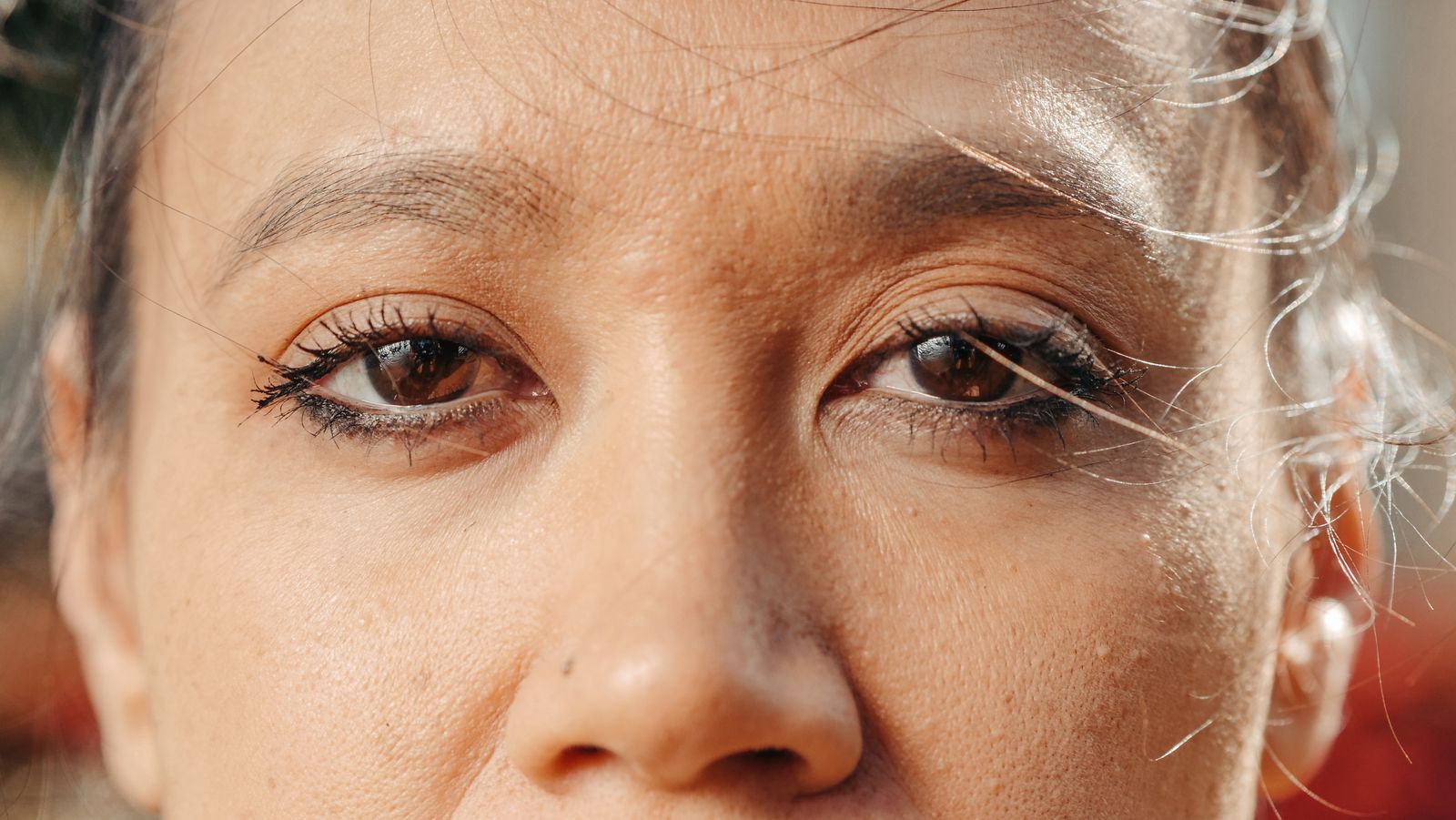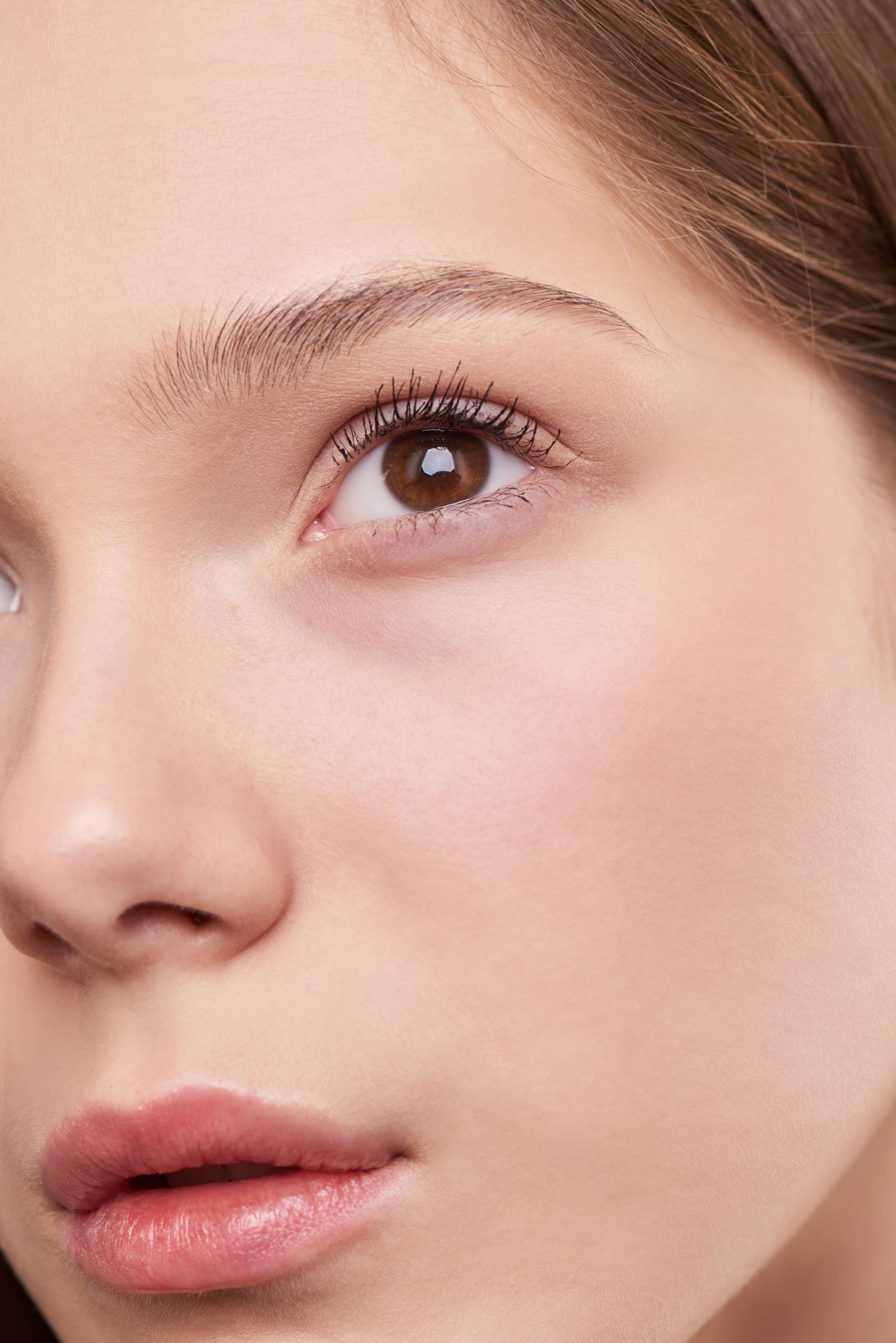
Under-eye filler that has gone wrong usually shows itself as persistent puffiness, a bluish or grey tinge, visible lumps, or filler that has migrated into the cheek or lower lid. Most hyaluronic acid filler can be dissolved. The first step is assessment, because not every result you dislike needs dissolving.
I am Dima Alomar, a GPhC-registered Clinical Prescriber Pharmacist, and I carry out every dissolving and correction treatment personally at our clinic at 2 Wimpole Street, in the heart of the Harley Street medical district. Under-eye correction is the enquiry I receive most often, and it is also the one where the honest answer is most frequently to do less than the patient came expecting. What follows is how the area is assessed and what dissolving can and cannot achieve.
What does under-eye filler gone wrong actually look like?
Under-eye complications are rarely dramatic. They tend to be subtle, persistent and hard to photograph, which is part of why patients spend months wondering whether they are imagining it.
Puffiness or bags that appear weeks or months later
The most common complaint by far. The result looked acceptable at two weeks, then a soft, pillowy fullness developed over the following months, often worse in the morning and reading as a bag rather than a smooth contour.
A bluish or grey tinge
Product sitting too close to the surface scatters light, giving the skin a bluish or greyish cast. The overlying skin is thin and semi-translucent, so what lies beneath alters the colour of what you see. It is often mistaken for worsening dark circles.
Lumps, ridging and asymmetry
Discrete lumps, a firm ridge along the tear trough, or one side sitting visibly differently from the other. A firmness that would go entirely unremarked elsewhere in the face tends to catch the light and draw the eye when it sits in this position.
Migration into the cheek or lower lid
Filler can drift down onto the upper cheek or up towards the lower lid, so that fullness appears where nothing was injected. My guide to lip filler migration, its signs and how it is corrected covers assessment in more detail.
Why is the under-eye area so prone to this?
Several factors combine, and together they explain why an experienced injector may decline to treat this area at all. The underlying anatomy is set out at greater length in our comparison of polynucleotides and under-eye filler.
- The skin is exceptionally thin. Measurements vary between individuals, but lower eyelid skin is commonly reported at well under a millimetre, against several times that on the cheek, so anything placed here sits close to the surface with very little cover.
- Lymphatic drainage is limited. The lower eyelid drains slowly, so anything interfering with that flow can produce fluid retention rather than smooth contour.
- Some products attract water. Hyaluronic acid binds water, and in an area that drains poorly a product drawing in fluid can create puffiness months after the appointment.
- Over-correction. The tear trough tolerates only very small volumes. Treating a shadow as though it were a hollow, or filling until the groove disappears on the day, leaves too much product behind.
- Placement that is too superficial. Product that should sit deep ends up within or just beneath the skin, where it shows as lumpiness or a colour change.
Once filler has already been placed, the clinical question changes. It is no longer whether your anatomy suits treatment, but what is currently sitting in the tissue, how long it has been there, and whether removing it would leave the area genuinely better or merely different. That is answered in person, with the area examined in several lights and expressions, not from a photograph.
Is this normal swelling or a genuine problem?
One group of symptoms is different and must not be waited out. Pain that is severe or increasing rather than settling, skin that turns white, blotchy or dusky, or any change in vision, are signs of a blood vessel complication. This is a medical emergency. Contact your injector immediately and, if you cannot reach them or your vision is affected, attend an eye casualty or accident and emergency department the same day. The guidance below about waiting two weeks applies to appearance only, never to these symptoms.
For appearance, the distinction matters because acting too early is its own mistake. Swelling, tenderness and occasional bruising in the first 24 to 48 hours are expected, and mild puffiness or unevenness during the first two weeks is common while the product settles. The honest reading of any result is at about two weeks.
If puffiness, discolouration, a palpable lump or clear asymmetry is still there beyond that point, or appears or worsens after it, the area is no longer settling and warrants in-person assessment. Filler here can reduce over a much longer period, but waiting out a visible problem is rarely rewarded.
What does dissolving involve?
Assessment before anything else
Every correction begins with a consultation, not a treatment. I examine the area, ask what was injected and when, and establish whether dissolving is the right answer. Often it is. Sometimes it is not: a minor asymmetry may be better left alone, and recent filler may need more time. Products that are not hyaluronic acid, such as collagen stimulators, cannot be dissolved, so confirming what was used matters.
Not all under-eye puffiness is caused by filler. Fluid collecting over the cheekbone, known as malar oedema or festoons, can be unmasked rather than caused by injectable treatment and does not resolve with dissolving. Thyroid disease, kidney or heart conditions, allergy and age-related fat prolapse all produce lower-lid swelling in their own right. Part of assessment is deciding whether the filler is the problem at all, and if the pattern suggests a medical cause you will be advised to see your GP rather than offered a treatment.
Patch test, suitability and the appointment
Dissolving uses a prescription-only dissolving enzyme. It must be prescribed by a qualified prescriber who has assessed you in person, and whoever administers it must be trained to recognise and treat an immediate allergic reaction, including anaphylaxis, with emergency drugs on site. At this clinic I both prescribe and administer it myself. Reactions are uncommon but they can be serious. Where appropriate a patch test is carried out beforehand, although a negative patch test does not rule out a reaction on the day.
Dissolving is not suitable for everyone. It is avoided if you have had a previous reaction to the enzyme, or if there is active infection or inflammation in the area, and it is not offered in pregnancy or while breastfeeding. Tell your prescriber about any allergies, including to bee or wasp stings, and about any autoimmune condition or regular medication.
Under the eyes the working volumes are very small. The enzyme is placed conservatively into the specific deposits identified at assessment rather than across the whole trough, which is one reason a follow-up visit is often planned from the outset. The full step-by-step sequence of an appointment, from cleansing through to aftercare, is set out in my account of what to expect from a dissolving appointment. Filler dissolving and correction starts from £200 per area.
How quickly it acts, and how many sessions
Change begins to show over the first day or two and continues to declare itself across the following fortnight. I review the area at around the two week mark before deciding whether anything further is warranted. A single session is often sufficient under the eyes, although a deposit that is old, firm or larger than it appeared may call for a further visit.
Why the area may look flatter before it looks better
This is the part patients are least often warned about. The enzyme does not distinguish perfectly between injected filler and the hyaluronic acid your own tissue contains, so some of your own is temporarily broken down alongside it. The under-eye area can therefore look flatter or more hollow for a period afterwards. Your own hyaluronic acid is replaced naturally, and for most patients the area recovers over the following weeks. Recovery is not guaranteed to be complete. Where the skin is thin or already lax, or where a true hollow was present before the filler, the area can settle looking somewhat more hollow or crepey than it did beforehand. Dissolving cannot be reversed once it has been given, which is why the decision is made at assessment rather than on impulse.
What happens afterwards?
Expect swelling, redness and occasionally bruising in the first day or two, with tenderness over a similar period. Once that settles, the area returns towards how it looked before the filler was placed.
If you want corrective treatment afterwards, the usual advice is to wait around two weeks so the area can settle fully, and longer if hollowing is still evident. Not everyone chooses more filler. Where the real concern turns out to be skin quality rather than lost volume, polynucleotide therapy is often the more appropriate route, because it works on the skin itself rather than adding anything beneath it.
How do you choose a practitioner for correction?
Correction is more demanding than the original treatment, because the area has already been disrupted. A few practical markers are worth applying.
- They are a qualified prescriber, able to assess you in person, prescribe the enzyme, and recognise and manage an allergic reaction if one occurs.
- They assess before they treat, and are willing to tell you dissolving is not needed.
- They explain the temporary hollowing honestly rather than promising immediate improvement.
- They book a review, and do not press you towards replacement filler at the same visit.
Price is a poor guide here, and so is the volume of before and after photographs. What matters is anatomical understanding and a willingness to be conservative.
If you are worried about a previous under-eye treatment, or simply want an honest medical opinion on whether dissolving is the right step, I would be glad to see you at our Wimpole Street clinic, whether your original filler was placed here or elsewhere.
Book a consultation at 2nd Floor, 2 Wimpole St, London W1G 0EB. All consultations are £50, fully redeemable against your treatment.
Related reading: polynucleotides and under-eye filler compared and what to expect from a filler dissolving appointment.
Your £50 consultation fee is fully redeemable against your treatment.