Polynucleotides improve under-eye skin quality and mild hollowing by stimulating repair, while tear trough filler adds volume to deeper hollows. Skin-quality concerns respond best to polynucleotides and structural hollows to filler, and many patients benefit from a staged combination. A face-to-face assessment determines which is right for you.
When patients ask about under-eye rejuvenation at our Wimpole Street clinic in the Harley Street medical district, the conversation usually comes down to two options: polynucleotide injections or hyaluronic acid filler placed in the tear trough. The two are often discussed as if they were interchangeable. They are not. They work in fundamentally different ways, suit different concerns, and carry very different risk profiles in one of the most delicate areas of the face.
This guide compares the two approaches honestly, from the perspective of a medical prescriber. If dark circles are your main concern, our separate guide to polynucleotide injections for under-eye dark circles explains the underlying causes in more depth. Here, the focus is on how the treatments themselves compare and how to choose between them.
Why the under-eye area demands particular caution
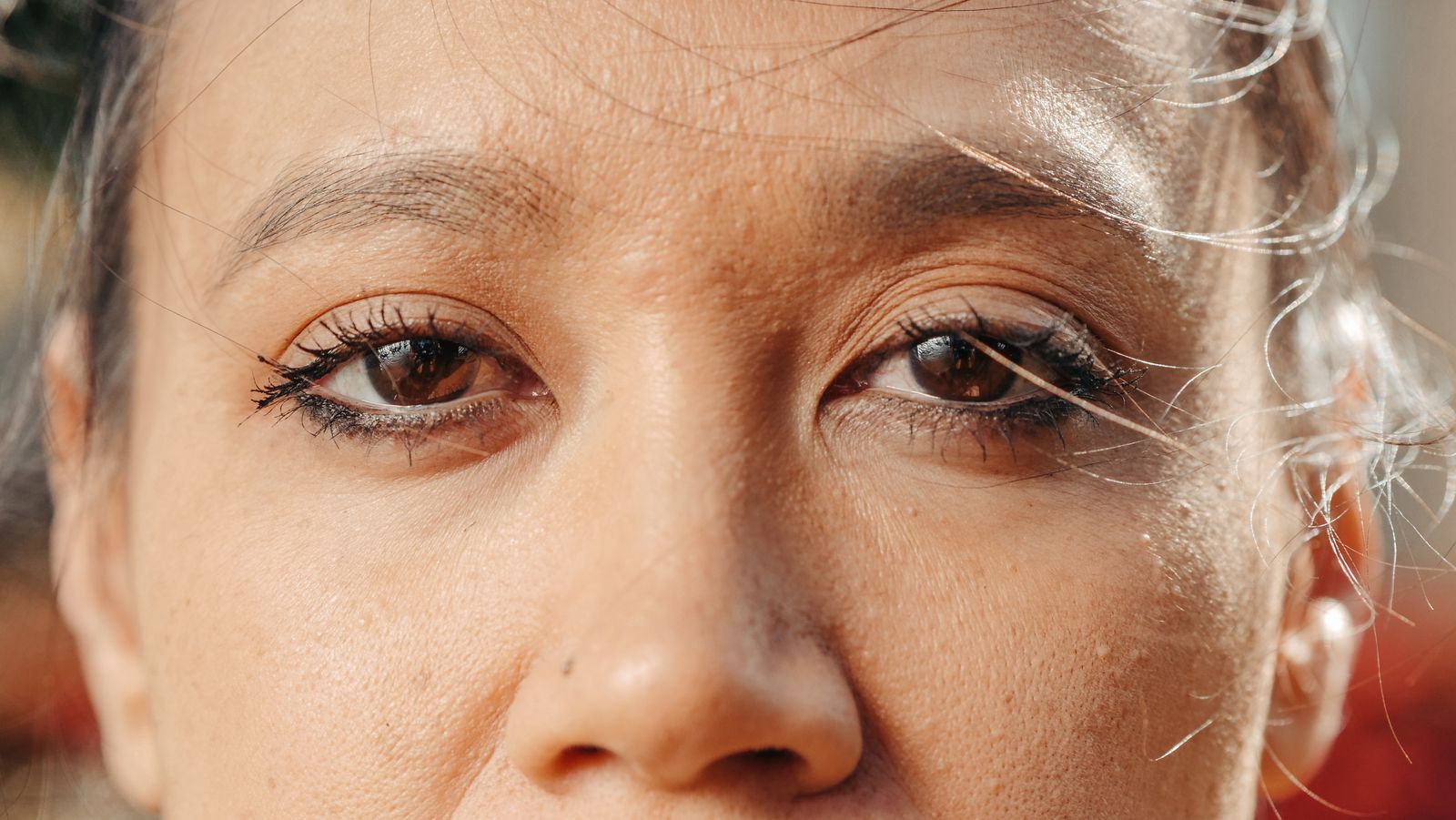
The skin beneath the eyes is the thinnest on the body, around 0.5mm compared with roughly 2mm on the cheeks. As we age, this skin loses collagen and elastin, becoming thinner and more translucent, while volume loss in the tear trough creates shadows that deepen the appearance of dark circles.
That thinness cuts both ways. It makes the area particularly responsive to regenerative treatment, and it also makes it unforgiving of poorly judged filler. Anything placed here sits close to the surface, so irregularities that would pass unnoticed in the cheek can be visible under the eyes.
How polynucleotides approach under-eye rejuvenation
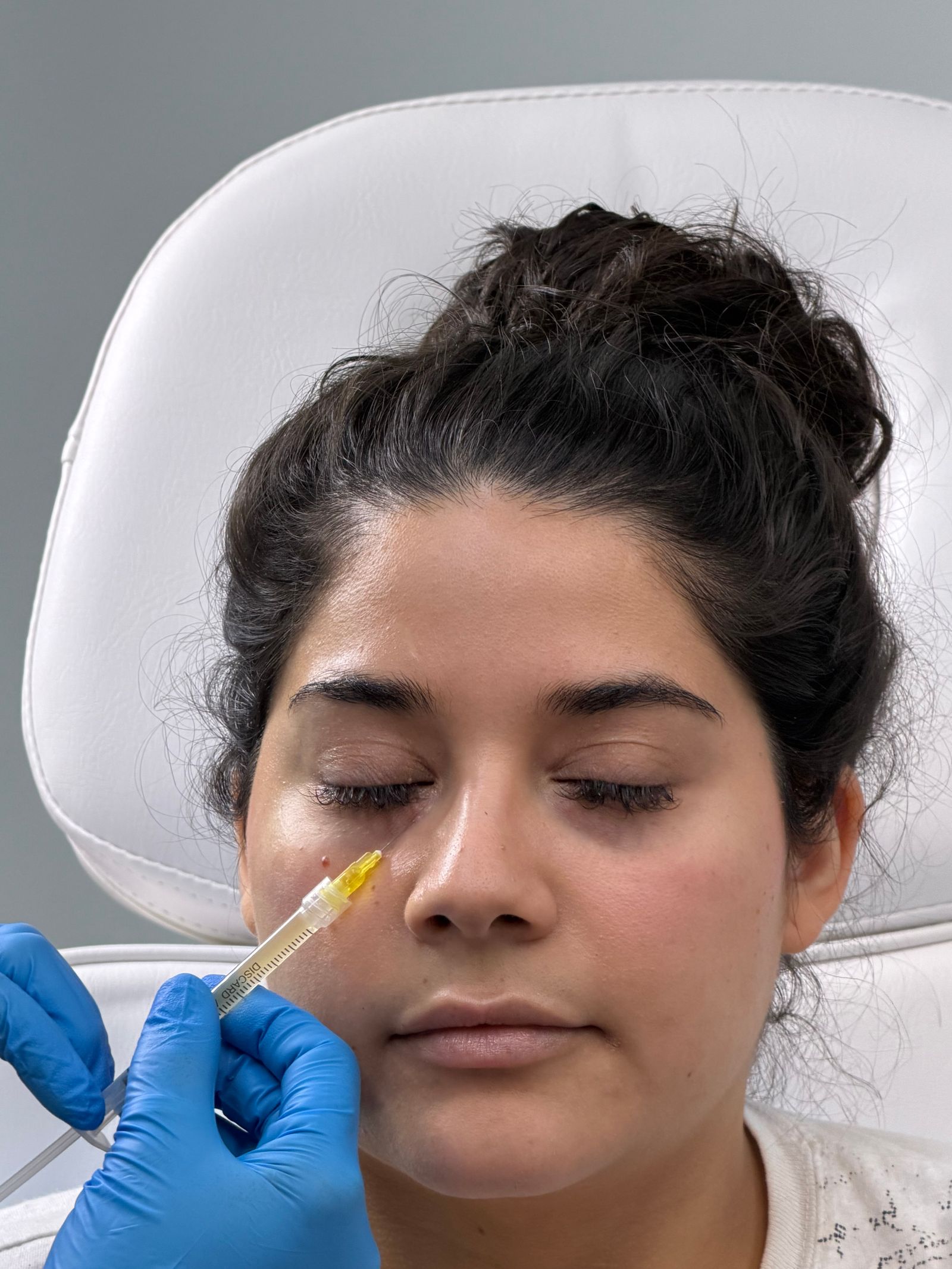
Polynucleotides are bio-stimulating molecules derived from purified DNA fragments, most commonly of salmon origin, which is where the name salmon DNA skin treatment comes from. When injected into the delicate under-eye skin, they activate fibroblasts, the specialised cells responsible for producing collagen and elastin. Over the following weeks the skin can thicken, strengthen, and regenerate. In most patients blood flow improves, dark circles soften, and crepey texture becomes smoother, although the degree of change varies from person to person.
Nothing is being added in the way that a filler adds volume. The aim is to improve the quality and biology of the skin itself, and the thin, delicate under-eye area, so resistant to creams and topical products, is particularly responsive to the regenerative effects of polynucleotides. Because the treatment works with your skin's own biology, results are not instant. Improvements develop gradually over the weeks after treatment, with most patients noticing visible improvement within three to four weeks. Most patients require two to three sessions, spaced two to three weeks apart, and the full effect of a completed course typically lasts six to twelve months.
Aftercare is straightforward. You may notice temporary redness, mild swelling, or small injection marks, which typically settle within 24 to 48 hours. Under-eye polynucleotide treatment starts from £300 per syringe per session. Full details are on our page covering polynucleotide therapy in London.
How under-eye filler works
Tear trough filler takes a different route entirely. A hyaluronic acid gel is placed beneath the skin to add volume to the groove between the lower eyelid and the cheek. It does not change the skin; it changes the contour beneath the skin.
What filler does not do is improve skin quality. It will not thicken thin, crepey, translucent skin. Part of a careful assessment is establishing whether volume loss or skin quality is contributing more to a tired appearance, because where skin quality is the real concern, filler alone can be a disappointing answer.
Why the tear trough is high risk for filler
I will be direct here, because this is where honest advice matters most. The skin beneath the eyes is extraordinarily thin and delicate, which makes it one of the most challenging areas to treat with conventional injectables. Any product placed here sits close to the surface, and filler can look unnatural in this delicate area. Recognised tear trough filler complications include puffiness, a bluish tint, and fluid retention under the eyes.
None of this means tear trough filler is always the wrong choice for every patient. It does mean the decision should be made cautiously, by a medical prescriber who understands the facial anatomy, plans conservatively, and is equally willing to tell you that you are not a good candidate. Declining to treat is sometimes the most professional recommendation an injector can make.
If filler has already gone wrong, it can be corrected
There is one reassurance worth knowing: hyaluronic acid filler is not permanent. It can be broken down using an enzyme that only a qualified medical professional can legally prescribe and administer. Tear trough complications, including the puffiness, bluish tint, and fluid retention described above, are one of the recognised reasons for seeking our filler dissolving and correction treatment, and many of our correction patients were treated at another clinic. Most people see results within 24 to 48 hours, with the full effect visible in one to two weeks, and prices start from £200 per area. If you would like fresh treatment afterwards, we usually recommend waiting around two weeks so the area can settle fully.
Polynucleotides or filler: how the decision is made
In consultation, the decision usually follows the underlying cause of the concern:
- Skin quality concerns. Thin, crepey, translucent, or tired-looking under-eye skin points towards polynucleotides, because the problem is the skin itself rather than missing volume.
- Genuine volume loss. Where a true, isolated hollow appears to be the dominant issue, the options are discussed honestly in consultation, including the recognised complications of treating this area with filler. A conservative, unhurried decision matters more here than anywhere else on the face.
- Mixed presentations. Many patients have elements of both. One approach we can discuss in consultation is improving the skin quality first with polynucleotides and then reassessing whether any volume treatment is still wanted. The right plan depends on your anatomy, your skin, and your goals, and it is agreed together rather than assumed in advance.
Many patients seek polynucleotide therapy specifically for the under-eye area, and it is a treatment we frequently discuss for dark circles, hollowing, fine crepey lines, and tired-looking under-eye skin where an assessment shows it is suitable. Whichever route is right for you, the philosophy stays the same: treatment is planned conservatively and naturally, and the goal is balance, not volume for its own sake.
Common questions
Are polynucleotide results immediate?
No. Improvements develop gradually over the weeks after treatment as your skin regenerates and produces new collagen and elastin. Most patients notice visible improvement within three to four weeks.
Does under-eye treatment hurt?
A topical anaesthetic is applied before treatment to minimise discomfort. Most patients describe the sensation as mild and very manageable.
I had tear trough filler elsewhere and I am unhappy. Can you help?
Yes. Many of our correction patients were treated at another clinic. Book a consultation and the area will be assessed honestly, with your options explained and the safest way forward recommended.
Book a consultation at 2nd Floor, 2 Wimpole St, London W1G 0EB. All consultations are £50, fully redeemable against your treatment.
DimAllure
2nd Floor, 2 Wimpole St, London W1G 0EB
Personally administered by Dima Alomar, GPhC-registered Clinical Prescriber Pharmacist
Book your consultation →
Related reading: polynucleotides for under-eye dark circles and polynucleotides, Profhilo and skin boosters compared.
Your £50 consultation fee is fully redeemable against your treatment.