You may have seen this treatment described online as the "salmon sperm facial", a nickname that has travelled a long way across social media. It is memorable, and it is one of the reasons people search for it in the first place, often typing in terms such as "salmon DNA skin treatment". The clinical name is polynucleotide therapy, and once you understand what these molecules are and what the evidence supports, the viral label starts to feel a little misleading. In this guide I want to set out what polynucleotides are, how the treatment works, what the current evidence supports, and who tends to benefit, so that you can make an informed decision rather than a fashionable one.
I am Dima Alomar, a GPhC-registered Clinical Prescriber Pharmacist, and I personally administer polynucleotide treatments at our Wimpole Street clinic in the Harley Street medical district.
What polynucleotides actually are
Polynucleotides are purified DNA fragments. That is the clinically accurate description, and it is deliberately plain. In aesthetic medicine, what matters is not a memorable label but how a molecule behaves once it has been placed into the skin. The viral nicknames fix attention on where the material is said to come from. My interest, and the basis on which I recommend the treatment to some patients and not to others, is what these molecules do within the tissue once they are there.
So I would gently steer the conversation away from the sensational framing. The nickname is a piece of internet shorthand, not a clinical account of the treatment. What you receive is a purified product, and its value lies in its biological action rather than in its origin story. With that in mind, here is how polynucleotide therapy works in the skin.
How polynucleotide therapy works in the skin
Polynucleotides are bio-stimulating molecules. When injected into the skin, they are thought to activate fibroblasts, the specialised cells responsible for producing collagen, elastin, and the extracellular matrix that gives skin its structure and resilience. This is intended to set polynucleotides apart from treatments that mainly sit within the skin and hold water.
Studies suggest that this activation supports a cascade of regenerative processes. Cellular hydration is intended to increase at a deeper level than topical products can reach. Collagen and elastin production is encouraged, which is associated with improved firmness and elasticity. Blood flow and tissue oxygenation are reported to improve, bringing nutrients to the skin and supporting cellular repair, and markers of oxidative stress and low-grade inflammation are reduced in the research conducted so far. The aim is not to mask the skin or to fill it out, but to improve the underlying biology so that the tissue looks and functions better over time. You can read a fuller technical account on our polynucleotide therapy treatment page.
What the evidence supports
It is worth being honest about what polynucleotide therapy can and cannot do. It is a regenerative treatment, which means it works gradually and depends on your own cells responding. It is not a filler, and it does not add volume in the way a filler does. Results are not instant. Improvements develop over the weeks following each session as the skin regenerates and produces new collagen and elastin. The aim is skin regeneration rather than a temporary cosmetic effect, and it does ask for patience.
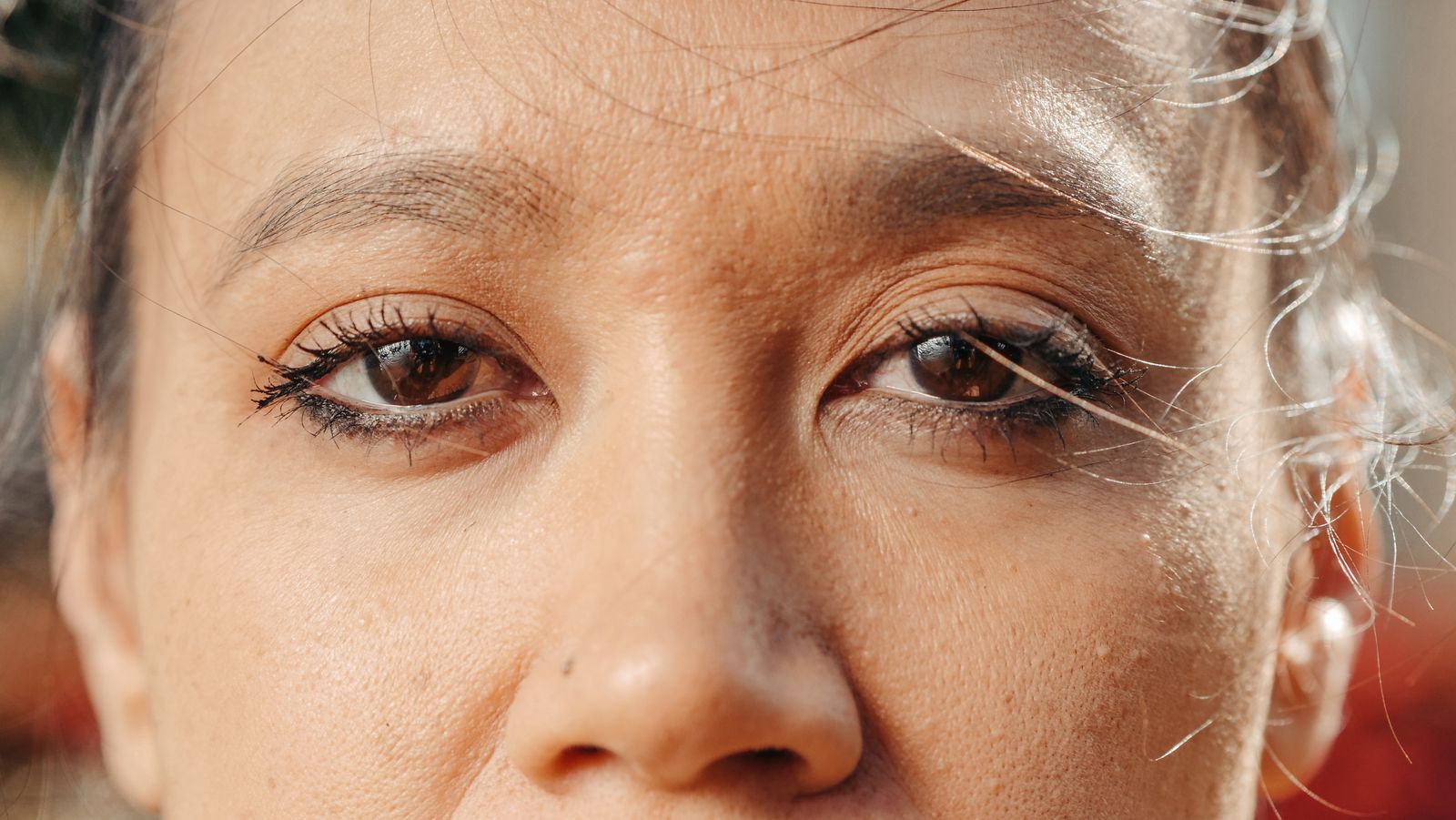
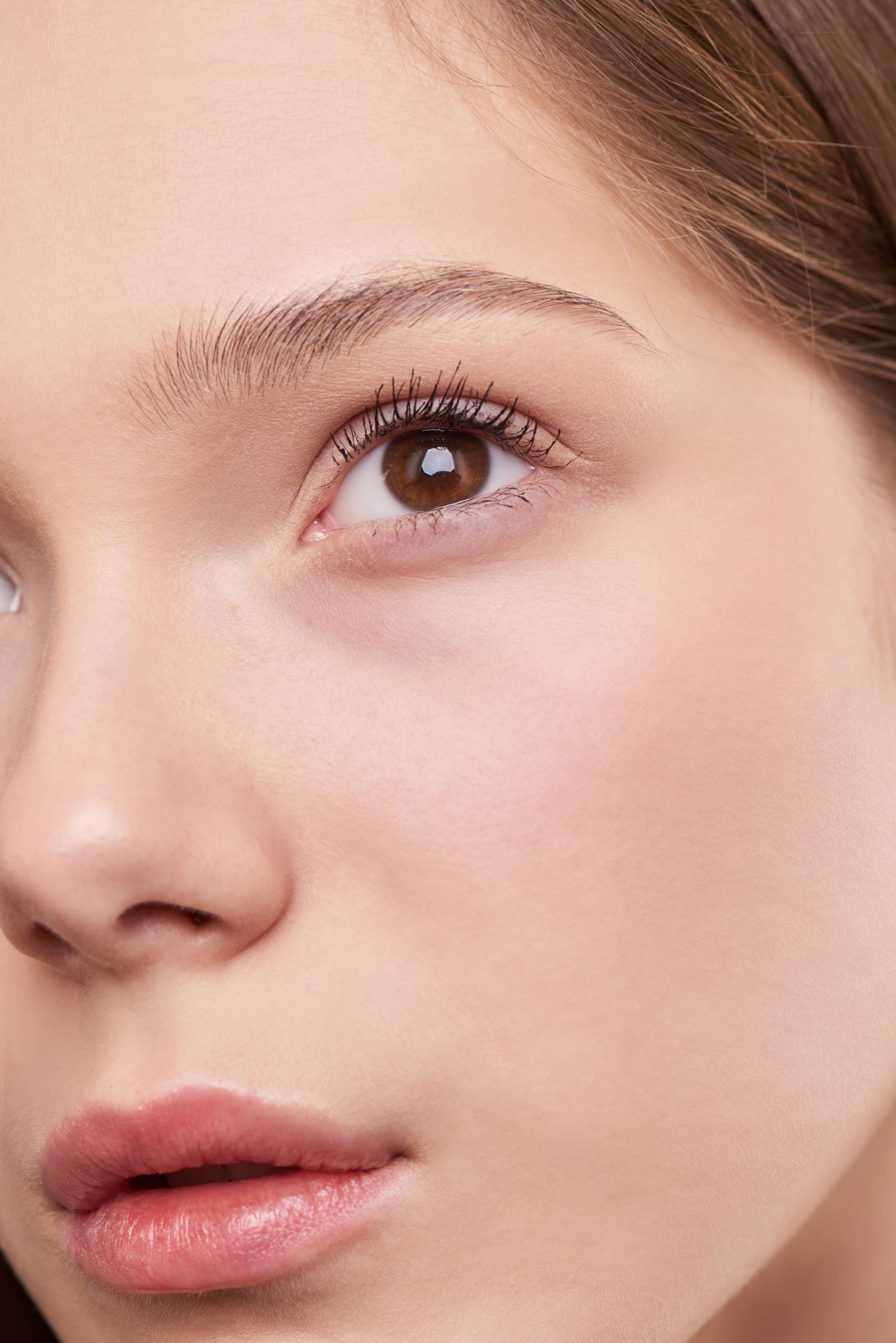
The area where polynucleotide therapy has gained the most recognition is the under-eye. The skin beneath the eyes is extraordinarily thin and delicate, which makes it one of the most challenging areas to treat with conventional injectables. Polynucleotides are considered one of the more useful options for this region, and are used to address dark circles, hollowing, fine crepey lines, and tired-looking under-eye skin. If your main concern is the under-eye area, I have written in more detail about polynucleotides for under-eye dark circles and hollows, and about how the treatment compares with dermal filler in the under-eye rejuvenation comparison guide.
Which areas can be treated
Polynucleotide therapy is versatile and can be used across several areas where skin quality, resilience, and regeneration are needed:
- Under-eyes: for dark circles, hollowing, fine crepey lines, and tired-looking skin.
- Full face: to improve overall skin quality, texture, tone, and firmness, particularly where skin looks dull or has lost its natural vibrancy.
- Neck: to improve laxity, texture, and crepiness in an area that ages visibly and responds poorly to topical treatments.
- Décolletage: for sun damage, fine lines, and crepey skin across the chest.
What to expect at the clinic
Your treatment begins with a thorough skin assessment and consultation. I will evaluate your skin's current condition, discuss your concerns, review your medical history, and recommend a tailored plan. This consultation is £50 and is fully redeemable against treatment.
On treatment day, the area is cleansed and a numbing cream is applied for comfort. Polynucleotides are then injected using fine needles or a cannula, depending on the anatomy of the area and your individual needs. The procedure takes approximately 30 to 45 minutes. Afterwards you may notice temporary redness, mild swelling, or small injection marks at the treatment sites. This is normal and typically settles within 24 to 48 hours, with no significant downtime, so most patients return to their normal activities the same day.
Most patients require two to four sessions, spaced two to three weeks apart, to reach optimal results. The full effect of a completed course typically lasts six to twelve months, and many patients choose maintenance sessions once or twice a year.
Who is polynucleotide therapy suitable for?
Polynucleotide therapy suits a wide range of skin types and appeals to people who want to improve skin health and quality at a fundamental, cellular level. Suitability is not something I assume in advance. It is confirmed at consultation, where I review your medical history and general health before recommending treatment. You may be a good candidate if you are experiencing:
- Dark circles, hollowing, or crepey skin under the eyes
- Tired, dull, or fatigued-looking skin
- Sun damage or environmental skin ageing
- Accelerated ageing, dullness, and loss of elasticity
- Peri-menopausal skin changes, including increased dryness, thinning, and loss of firmness
- Skin that has not responded adequately to topical treatments or skincare routines
Polynucleotides also combine well with other treatments. Many patients pair them with skin boosters for hydration and radiance, or with Sculptra for structural collagen stimulation, creating a comprehensive plan that addresses skin quality and facial support together. During your consultation I will be honest about whether the treatment is right for you, and about what it can realistically achieve.
How much does the treatment cost?
At DimAllure, polynucleotide therapy starts from £250 per syringe for the under-eyes and £300 per syringe for the face and neck. Course pricing is available when sessions are booked together: a course of three is £700 for the under-eyes, or £840 for the face and neck. I will confirm the number of syringes and sessions appropriate for your skin at the consultation, so that the plan and the cost are clear before anything begins.
Book a consultation at 2nd Floor, 2 Wimpole St, London W1G 0EB. All consultations are £50, fully redeemable against your treatment.
DimAllure
2nd Floor, 2 Wimpole St, London W1G 0EB
Personally administered by Dima Alomar, GPhC-registered Clinical Prescriber Pharmacist
Book your consultation →
Related reading: polynucleotides for under-eye dark circles and hollows and polynucleotides compared with dermal filler for the under-eye area.
Your £50 consultation fee is fully redeemable against your treatment.